Signed in as:
filler@godaddy.com
Essential oils work primarily through the sense of smell and through absorption into the skin when used safely. Aromas can influence the limbic system — the part of the brain linked to emotions, memory and mood — which is why aromatherapy can feel both deeply calming and emotionally supportive.
Many people use aromatherapy to:
Aromatherapy is not about quick fixes — it’s about gentle, natural support that works in harmony with the body and mind.
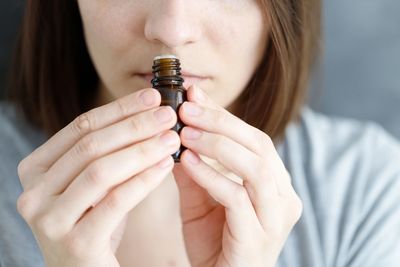
Aromatherapy is an ancient practice that has supported physical, emotional and spiritual wellbeing for thousands of years. Long before modern medicine, plants and their aromatic oils were valued for their healing, protective and uplifting properties — and many of these traditions continue to influence how essential oils are used today.
The earliest recorded use of aromatic plants dates back over 5,000 years. In ancient Egypt, oils such as frankincense, myrrh, cedarwood and lavender were used in medicine, cosmetics, spiritual rituals and embalming. These precious oils were believed to purify the body, calm the mind and honour the soul.
In ancient China and India, plant-based remedies formed the foundation of holistic healing systems such as Traditional Chinese Medicine and Ayurveda. Essential oils and aromatic herbs were used to balance energy, support digestion, ease pain, promote restful sleep and enhance emotional harmony.
The Greeks and Romans further developed the use of aromatic oils. Hippocrates — often referred to as the father of medicine — believed that health could be supported through aromatic baths, massage and a balanced lifestyle. Romans widely used oils in public baths for relaxation, muscle recovery and skin care.
During the Middle Ages, aromatic plants played an important role in protecting against illness. Herbs and oils were burned, worn or applied to the skin, particularly during times of plague, as people believed strong natural aromas could purify the air and support immunity.
The term “aromatherapy” itself was coined in the early 20th century by French chemist René-Maurice Gattefossé, after he famously discovered the healing effects of lavender oil on a burn. From this point, scientific interest in essential oils grew, and aromatherapy began to bridge traditional wisdom with modern understanding.
Today, aromatherapy is widely used alongside conventional healthcare to support relaxation, stress management, emotional wellbeing, sleep, pain relief and overall balance.
Essential oils are extracted from different parts of plants, including flowers, leaves, bark, roots, seeds, resins and fruits. Each oil carries the plant’s natural aromatic compounds — often described as its “essence”.
Common extraction methods include:
These plants are sourced from all over the world, depending on climate and growing conditions — for example, lavender from France, frankincense from Oman, sandalwood from India, and citrus fruits from Italy and Spain.
Although aromatherapy has ancient roots, its relevance has never been greater. In today’s fast-paced world, essential oils offer a simple yet powerful way to reconnect with nature, slow down and care for yourself more intentionally.
At Aromatherapy by Joanne, this time-honoured practice is used with care, knowledge and respect — blending traditional wisdom with a modern, nurturing approach to wellbeing.

Chinese Proverb